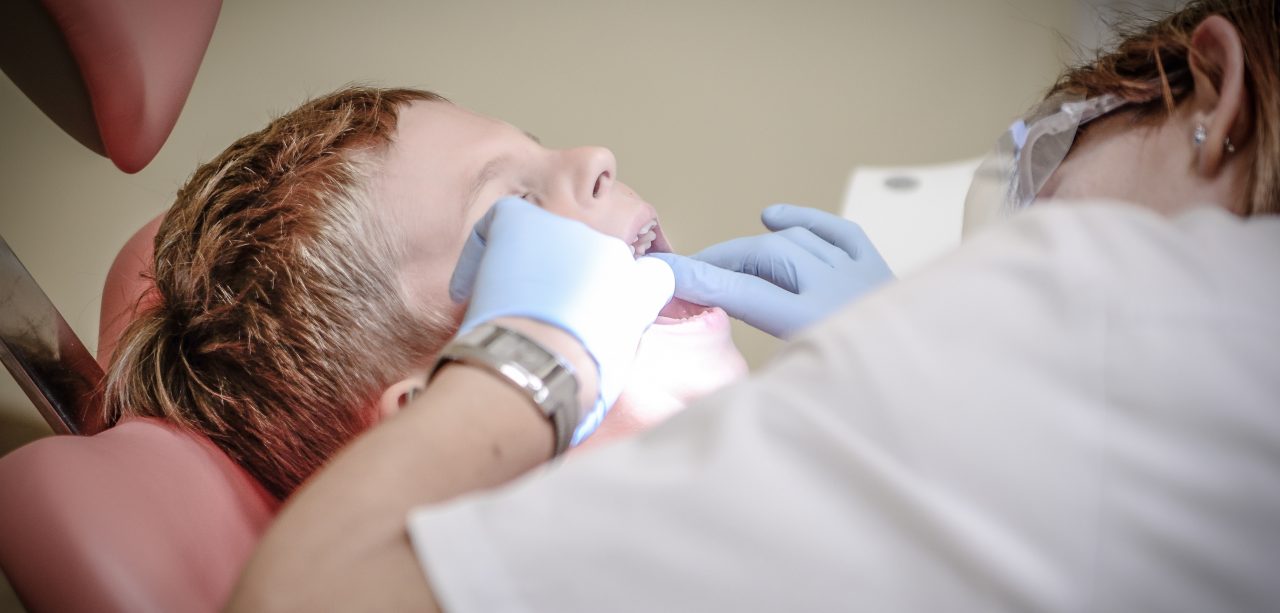
About coronavirus and dental precautions, Journal of dental research have just published:
Recommendations for Dental Practice:
1- Dentists should take strict personal protection measures and avoid or minimize operations that can produce droplets or aerosols.
2- The 4-handed technique is beneficial for controlling infection.
3- The use of saliva ejectors with low or high volume can reduce the production of droplets and aerosols
Evaluation of Patients:
1- During the outbreak of the virus, establish precheck triages to measure and record the temperature of every staff and patient as a routine procedure. ask patients questions about the health status and history of contact or travel
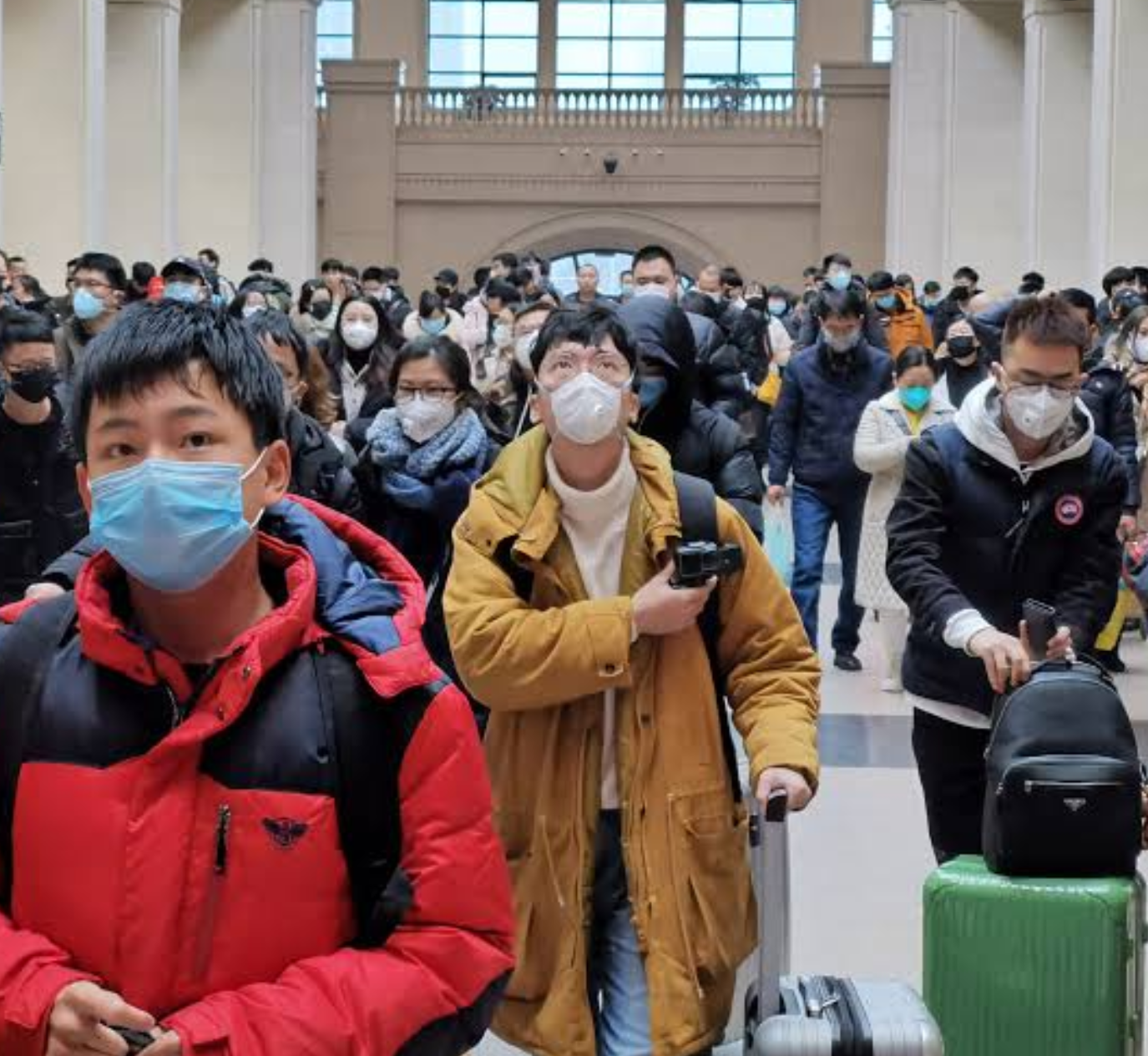
2- Patients and their accompanying persons are provided with medical MASK and temperature measurement once they enter the hospital.
3- Patients with fever should be registered and referred to designated hospitals. If a patient has been to epidemic regions within the past 14 d, quarantine for at least 14 d is suggested.
Oral Examination:
1- Preoperative antimicrobial mouth rinse could reduce the number of microbes in the oral cavity
2- Procedures that are likely to induce coughing should be avoided
3- Aerosol-generating procedures, such as the use of a 3-way syringe, should be minimized as much as possible.
4- Intraoral x-ray examination can stimulate saliva secretion and coughing.Therefore, extraoral dental radiographies, such as panoramic radiography and cone beam CT, are appropriate alternatives during the outbreak of COVID-19.
Treatment of Emergency Cases:
1- Rubber dams and high-volume saliva ejectors can help minimize aerosol
2- face shields and goggles are essential with use of high- or low-speed drilling with water spray
3- if a carious tooth is diagnosed with symptomatic irreversible pulpitis, pulp exposure could be made with chemomechanical caries removal under rubber dam isolation and a high-volume saliva ejector after local anesthesia; then, pulp devitalization can be performed to reduce the pain. The filling material can be replaced gently without a devitalizing agent later
4- After treatment, environmental cleaning and disinfection proce- dures were followed. Alternatively, patients could be treated in an isolated and well-ventilated room
5- If a tooth needs to be extracted, absorbable suture is preferred. For patients with facial soft tissue contusion, debridement and suturing should be performed. It is recommended to rinse the wound slowly and use the saliva ejector to avoid spraying.
Recommendations for Dental Education:
Open communication among students, clinical teachers, and administrative staff would enhance mutual trust and facilitate adequate cooperation (Park et al. 2016)
1- During the outbreak period, online lectures, case studies, and problem-based learning tutorials should be adopted to avoid unnecessary aggregation of people and associated risk of infection (Patil et al. 2003).
2- Existing smart devices and applications have already made it possible for students to listen to and review lectures whenever and wherever possible.
3- It is worth advocating to encourage students to engage in self- learning, make full use of online resources, and learn about the latest academic developments.
4- During this period, it is easy for students to be affected by disease-associated fear and pressure, and dental schools should be prepared to provide psychological services to those who need them (Wong et al. 2004)
 MentalDental